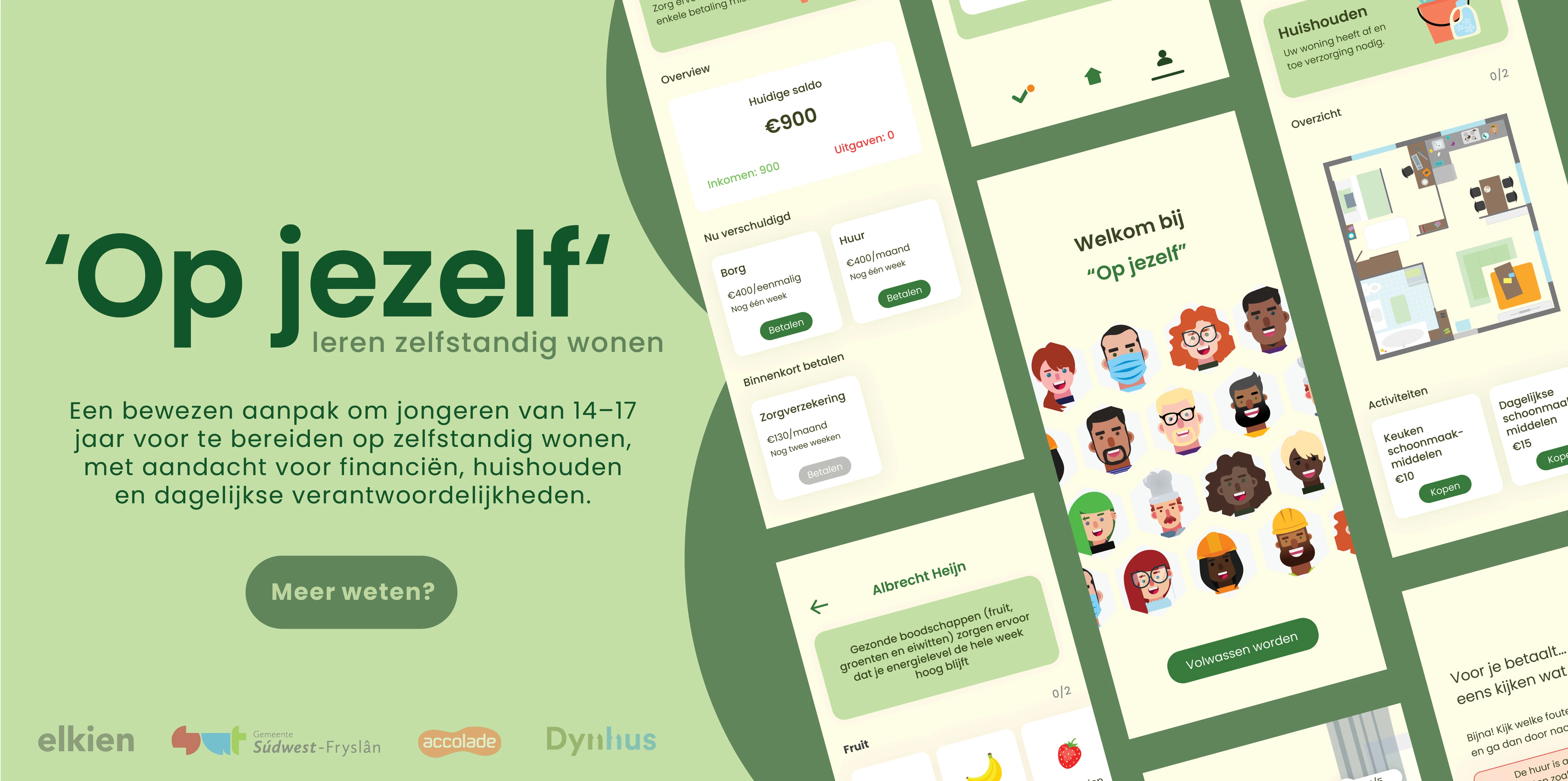
UX Research & Interaction Design
A gamified app for teenagers in Friesland aged 14-17, helping them build the practical and emotional skills needed for independent living, from budgeting and household tasks to managing anxiety about growing up.
01 Context & problem
Many teenagers in Friesland aged 14-17 lack practical preparation for independent living. They underestimate real-life costs, feel overwhelmed by daily responsibilities like chores and routines, and experience genuine anxiety about the transition to adulthood.
This gap increases the risk of financial mistakes and early debt - but it's not just practical. The emotional weight of feeling unprepared is just as significant as the knowledge gap itself.
The client brief, delivered through NHL Stenden, asked us to create a concept, visual design, and functional prototype in seven weeks. Following delivery, we were hired for a five-month continuation to develop the full version, scheduled for release in March 2026.
I took on lead researcher, team lead, and illustrator roles in a four-person team alongside two UI/UX designers and a programmer.
02 Research
Research approach
Methods map - double diamond
Diary study + interviews - n=10
Unexpected expense types
Co-creation sessions - n=10
Most desired app features
Qualitative interviews - n=10
Emotional landscape of participants
Interviews, diary study, generative sessions - qualitative
What teens wish they'd known
We ran interviews, diary studies, quizzes, usability tests, co-creation sessions, and desk research. The mixed-method approach was intentional - financial literacy and emotional readiness are intertwined, and single-method research would have missed half the picture.
Research showed teens most wanted: budgeting tools (9 mentions), peer advice (8 mentions), routine planning (6 mentions), and short tips (6 mentions). Emotionally, the dominant states were overwhelmed (26.7%), curious (20%), and anxious (20%).
The biggest unexpected expenses teens faced were rent/deposits, utilities, and furniture - categories they had almost no mental model for. Peer support and relatable stories proved to be motivating anchors for learning.
Anxiety and uncertainty were recurring themes. Teens didn't just need information - they needed the experience to feel approachable and normalising, not daunting.
03 Design decisions
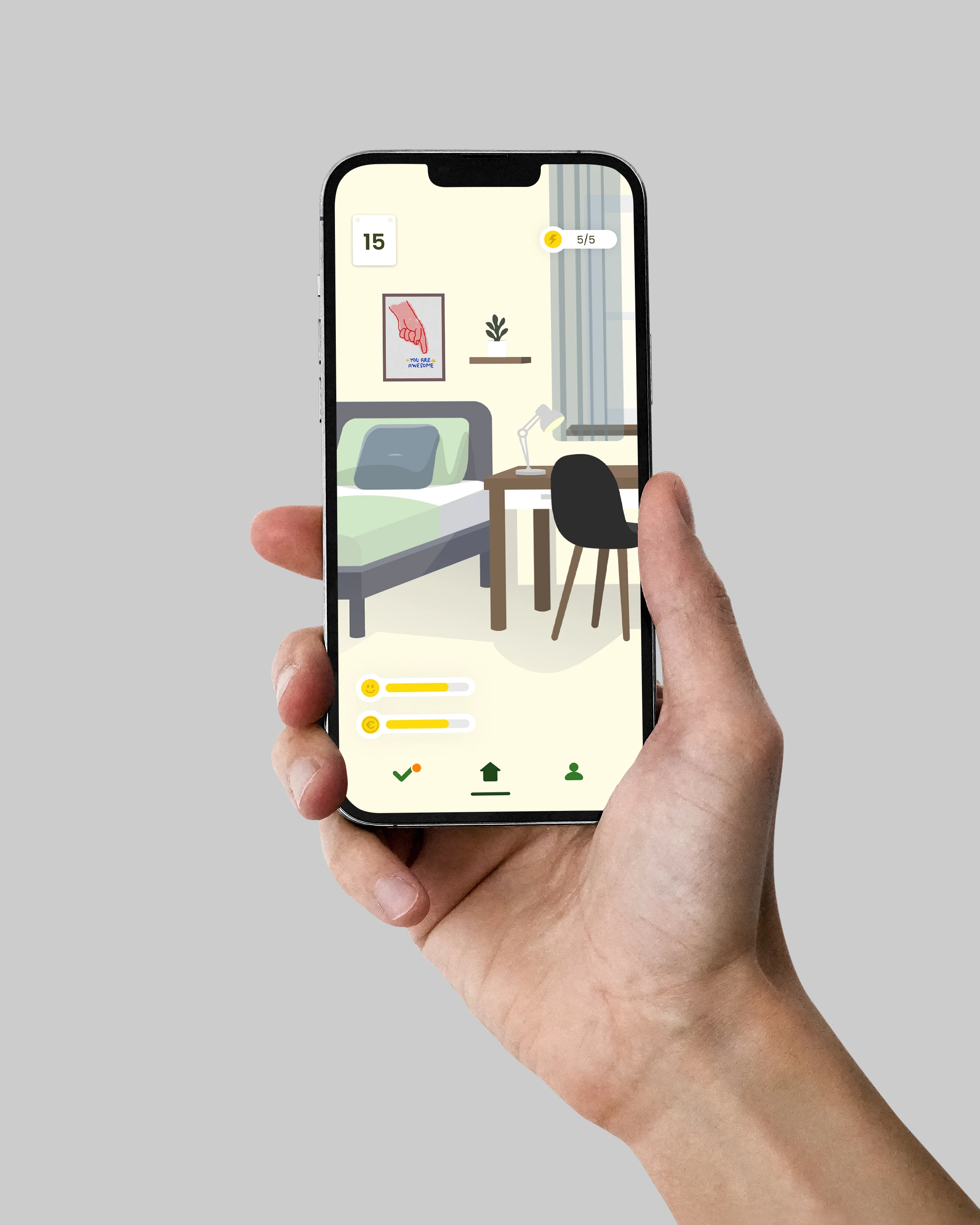
The budgeting feature used realistic everyday expenses - rent, utilities, groceries, insurance - to let teens safely practice financial planning in a consequence-free environment. Most participants had no mental model for what independent living costs, and abstract advice wasn't going to fix that.
Chores and routines were framed as small, achievable tasks supported by light gamification and rewards. Overwhelming someone with a full list of adult responsibilities produces paralysis, not preparation - breaking it into daily micro-tasks with visible progress keeps motivation intact.
Because anxiety was a recurring theme, the design leaned into peer stories and relatable scenarios rather than instructional content. Visual consequences - showing what happens when a bill goes unpaid or a budget runs out - gave decisions real weight without real risk, while humor and interactive moments kept the tone approachable throughout.
04 Prototyping & testing
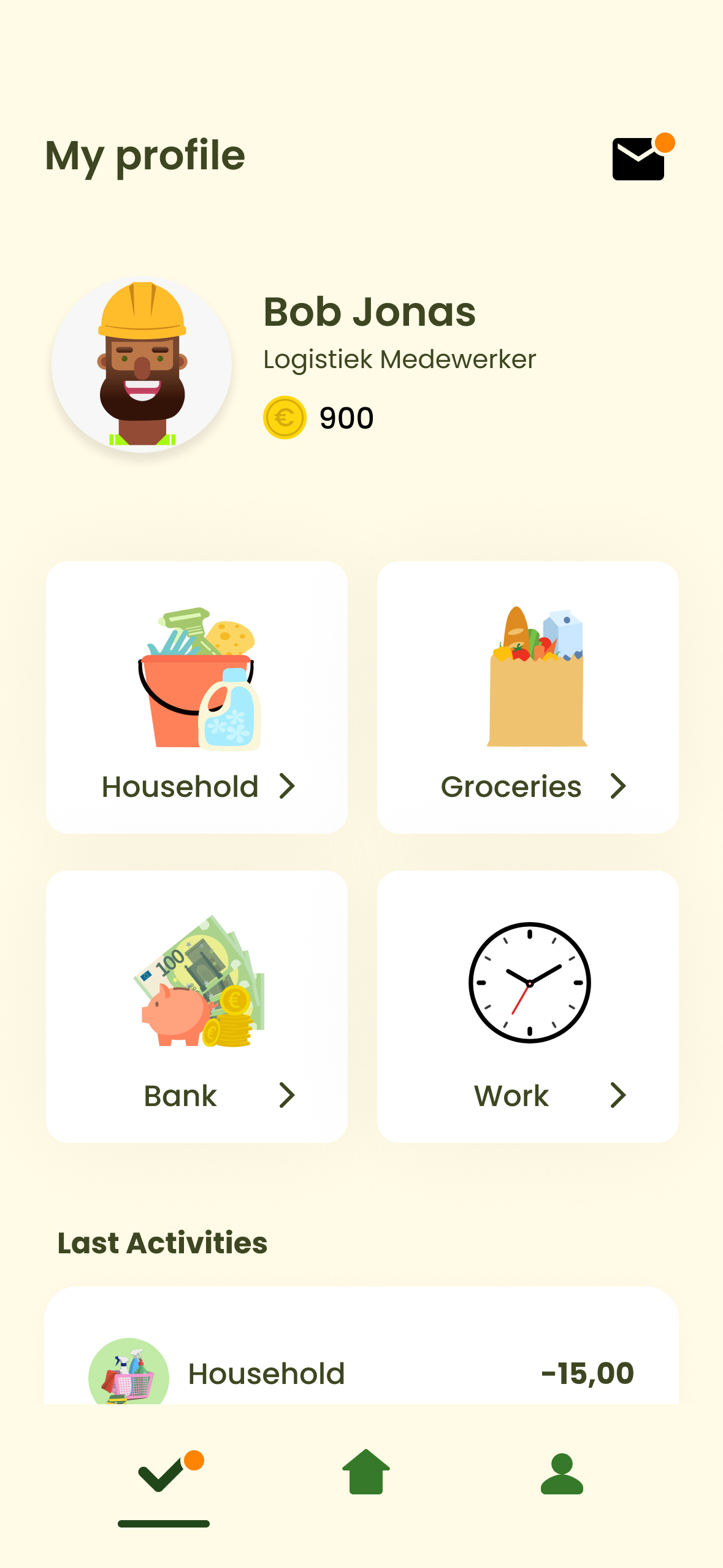
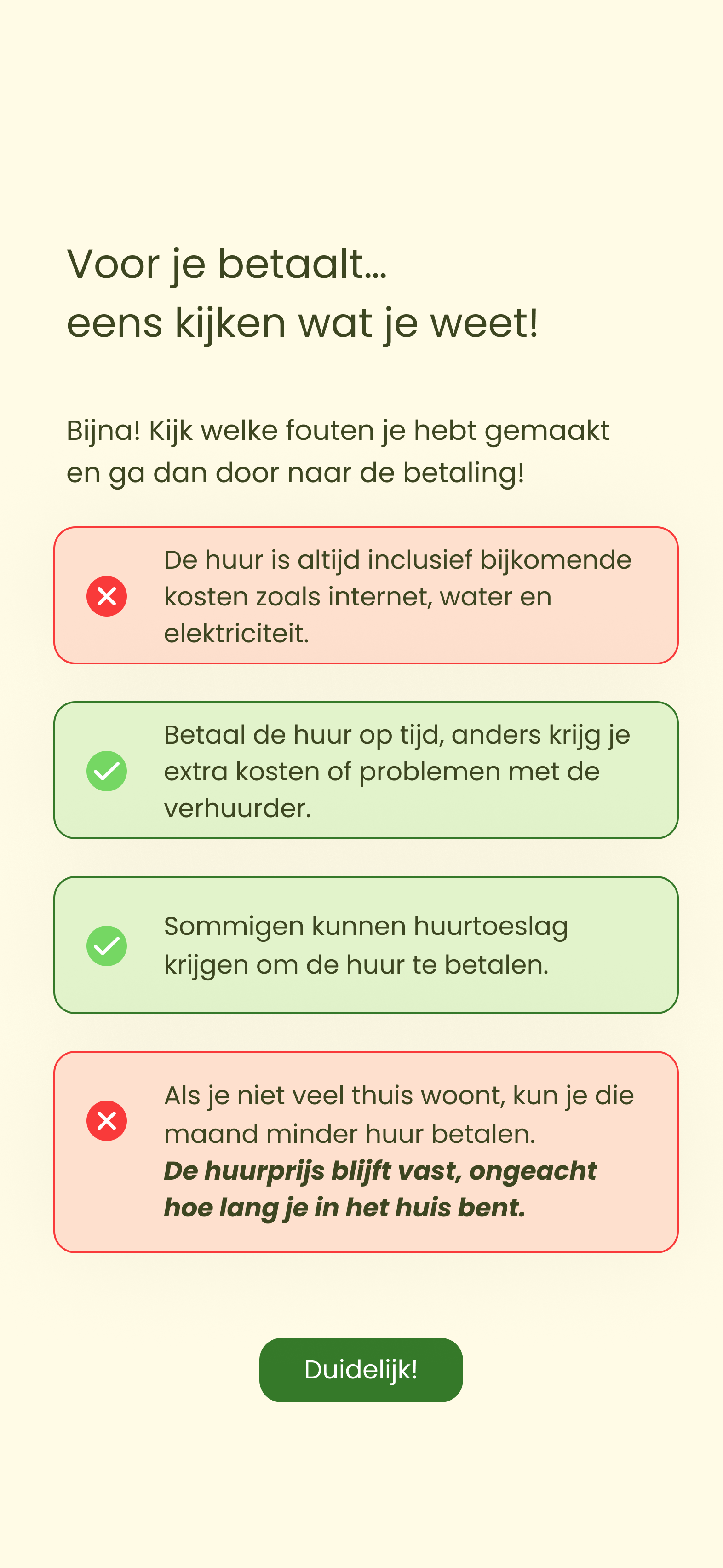
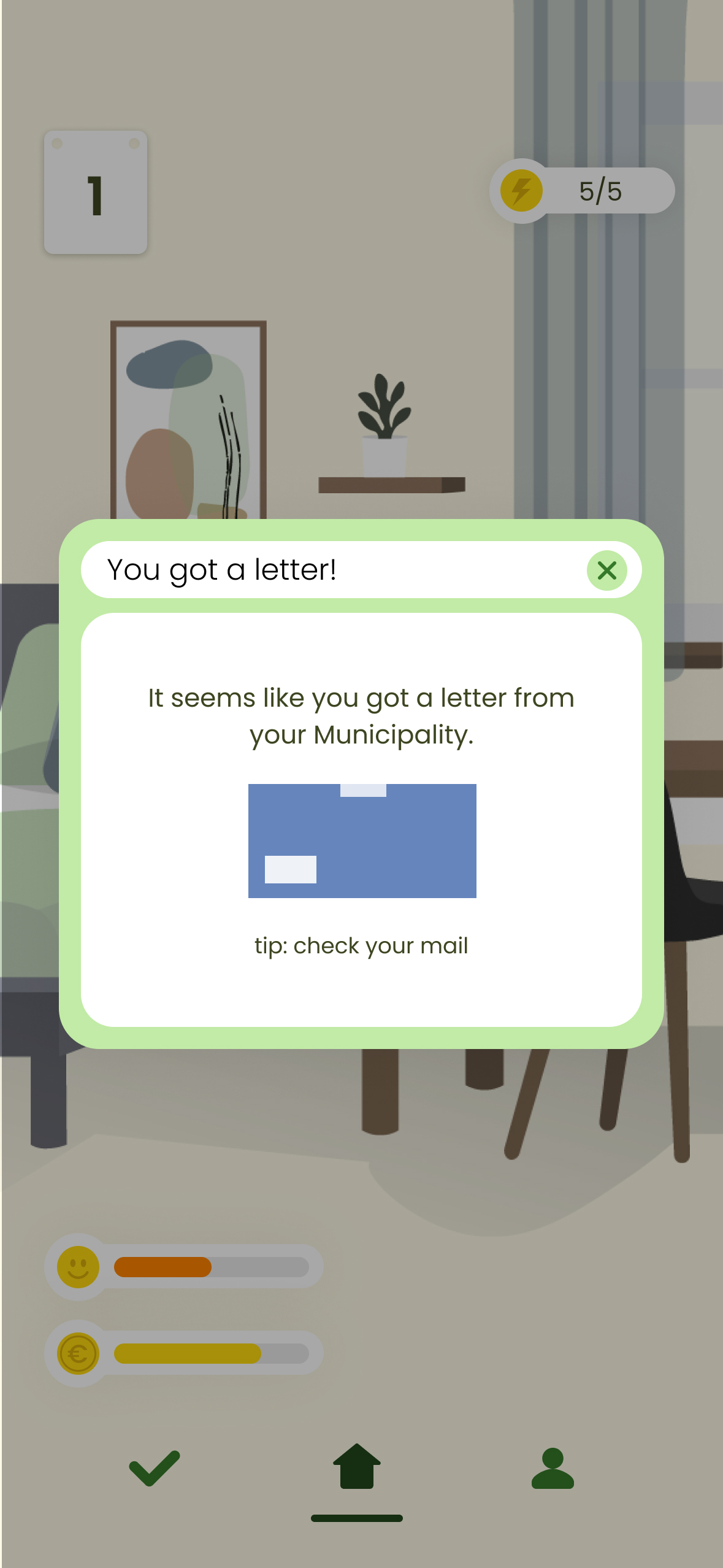
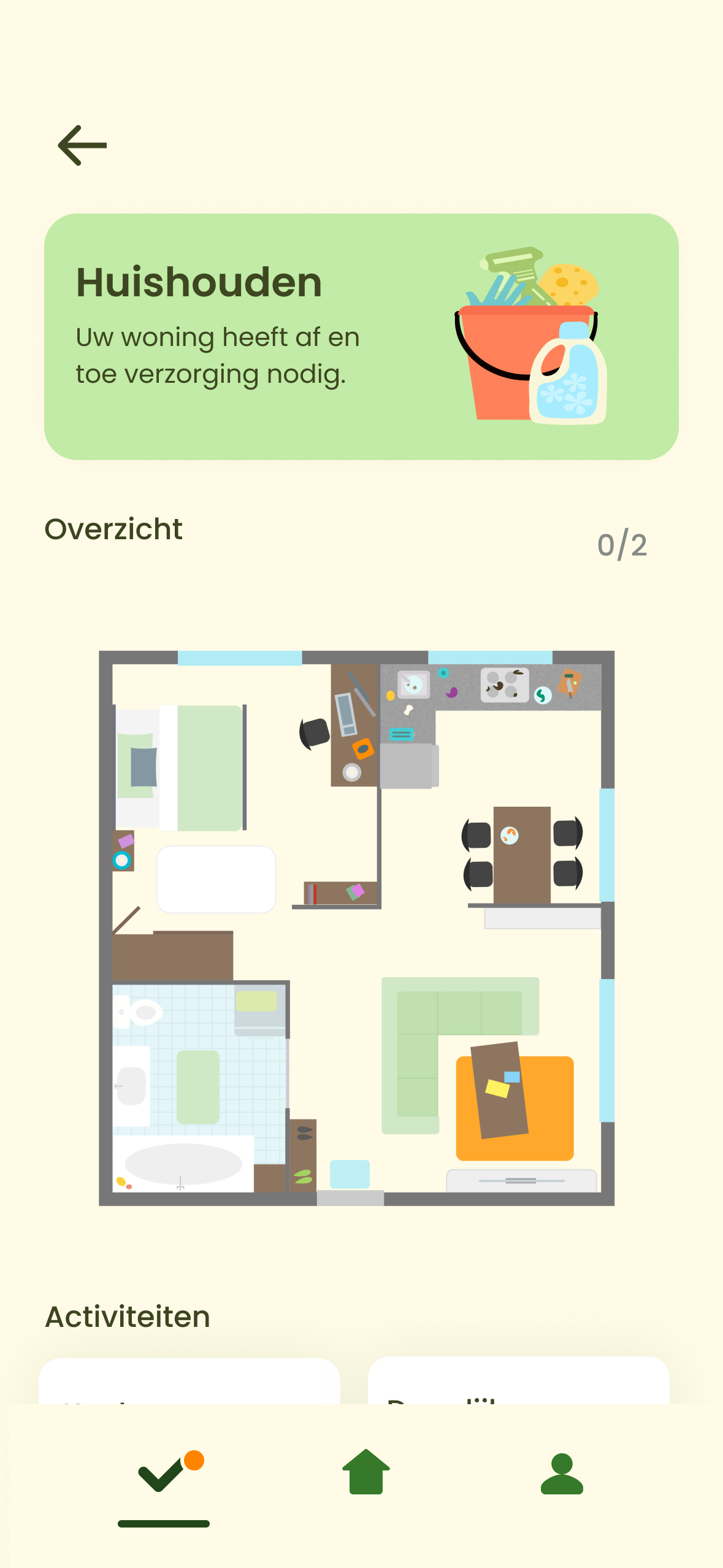
The Figma prototype was tested with teenagers in the 14-17 target group through multiple usability sessions and a classroom pilot. Testing surfaced confusion around guidance, unclear next steps, and a narrative gap - how to manage expenses without income.
These findings drove clearer onboarding, improved task structure, and more transparent feedback within the decision flow. Iterative refinement kept the experience grounded in the practical realities teens actually face.
05 Outcome & reflection
The app is currently in full development, with release scheduled for March 2026. The research-informed design decisions successfully translated into a prototype that engages teens while teaching practical financial and life skills.
What worked: integrating research insights directly into design, creating relatable scenarios, and using humor and interactive feedback to reduce anxiety. What I'd improve: broader testing with a larger, more diverse group of teens to strengthen validation.
Reflection
This project reinforced that good design research isn't just about uncovering what people need - it's about understanding the emotional context those needs exist in. The financial literacy problem was also an anxiety problem, and addressing only one would have produced a worse product.