De Bote
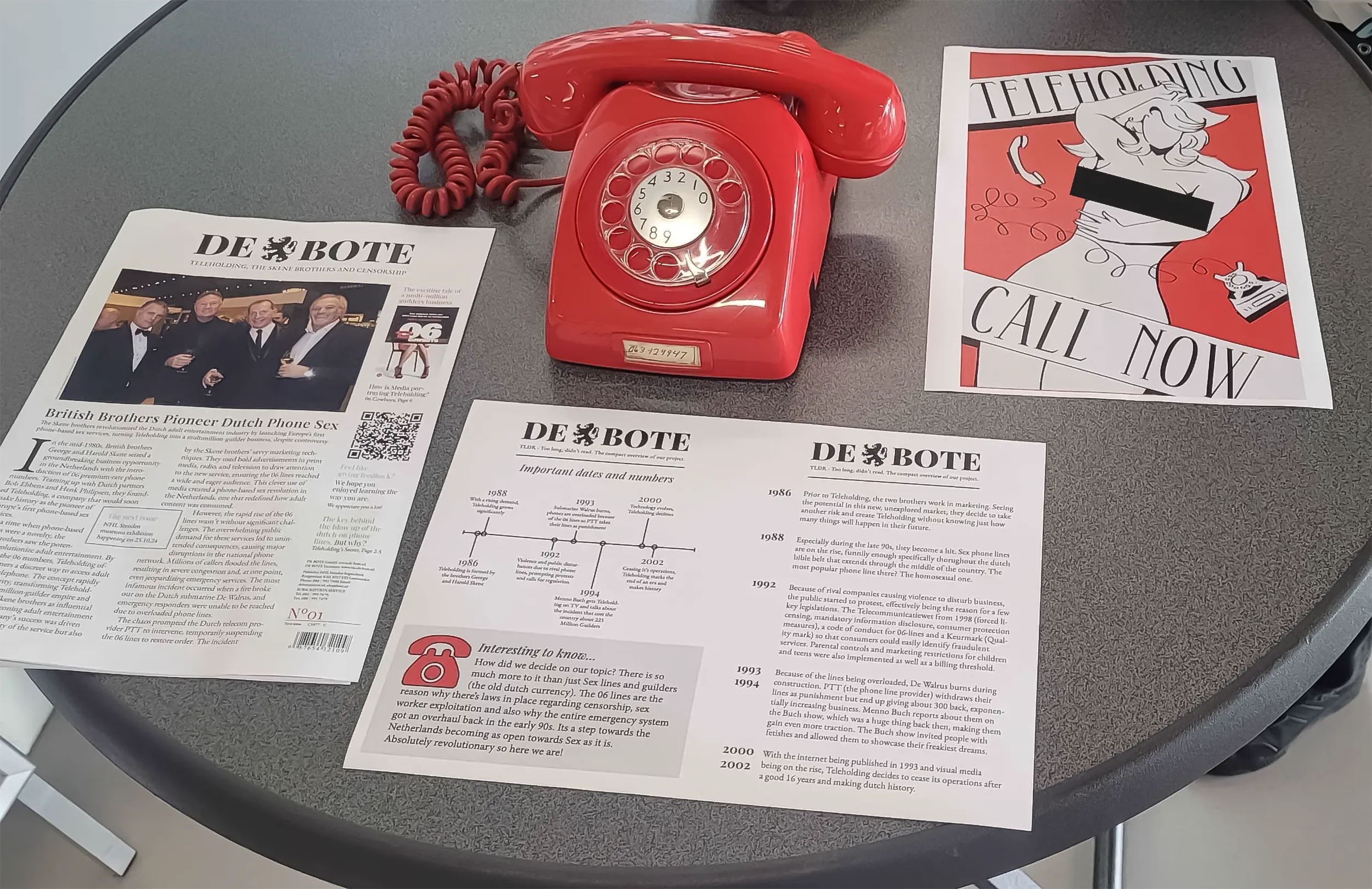
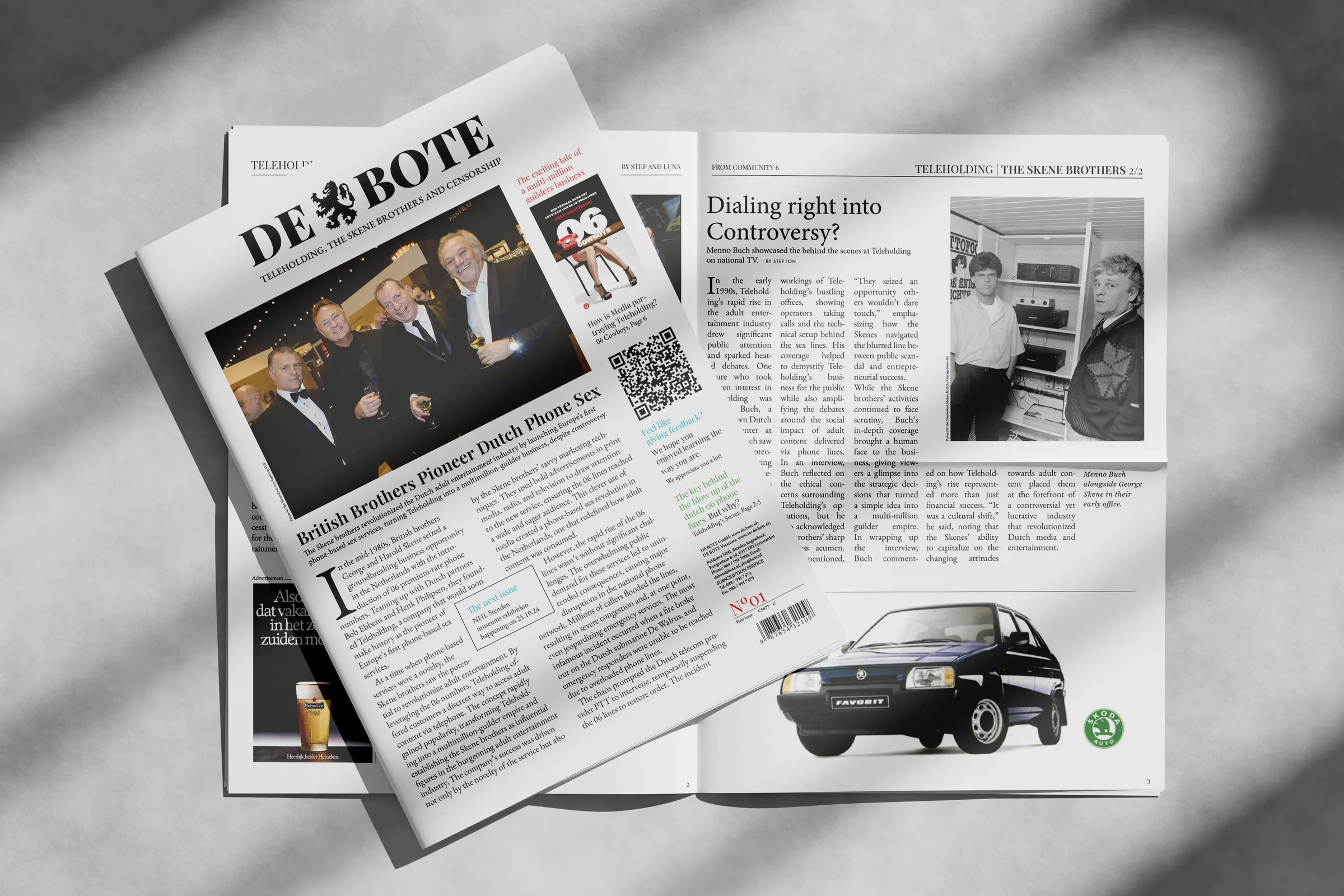
A newspaper, a flyer and a telephone about the Dutch 06 lines.
De Bote tells the story of Teleholding: the Skene brothers, who launched the first phone-based adult lines in the Netherlands in the mid-1980s, and how those 06 lines changed Dutch telecom law.
The four-week NHL Stenden brief asked for an interactive educational experience. I led the concept, research and engineering, and designed the logo, the newspaper and a TLDR flyer.
- My role
- Concept, research, logo, editorial layout, TLDR infographic, telephone engineering
- Team
- 2 people: a teammate and me
- Discipline
- Editorial design & identity
- Year
- 2024
01 Context & concept
The topic came from the Netflix series Dirty Lines, based on Fred Saueressig's book 06 Cowboys about the Skene brothers.
The newspaper takes its cue from De Telegraaf. Night Black, Anti-Flash White and Fire Engine Red reflect how provocative the 06 lines were, and Playfair Display with EB Garamond keep it readable with a historical feel.
The wicked part: The telephone wasn't
in the brief.
02 Process & pivot
My first idea, a science fair board, didn't engage anyone. After mentor feedback we pivoted to three pieces: a poster (made by my teammate), a newspaper and a working telephone.
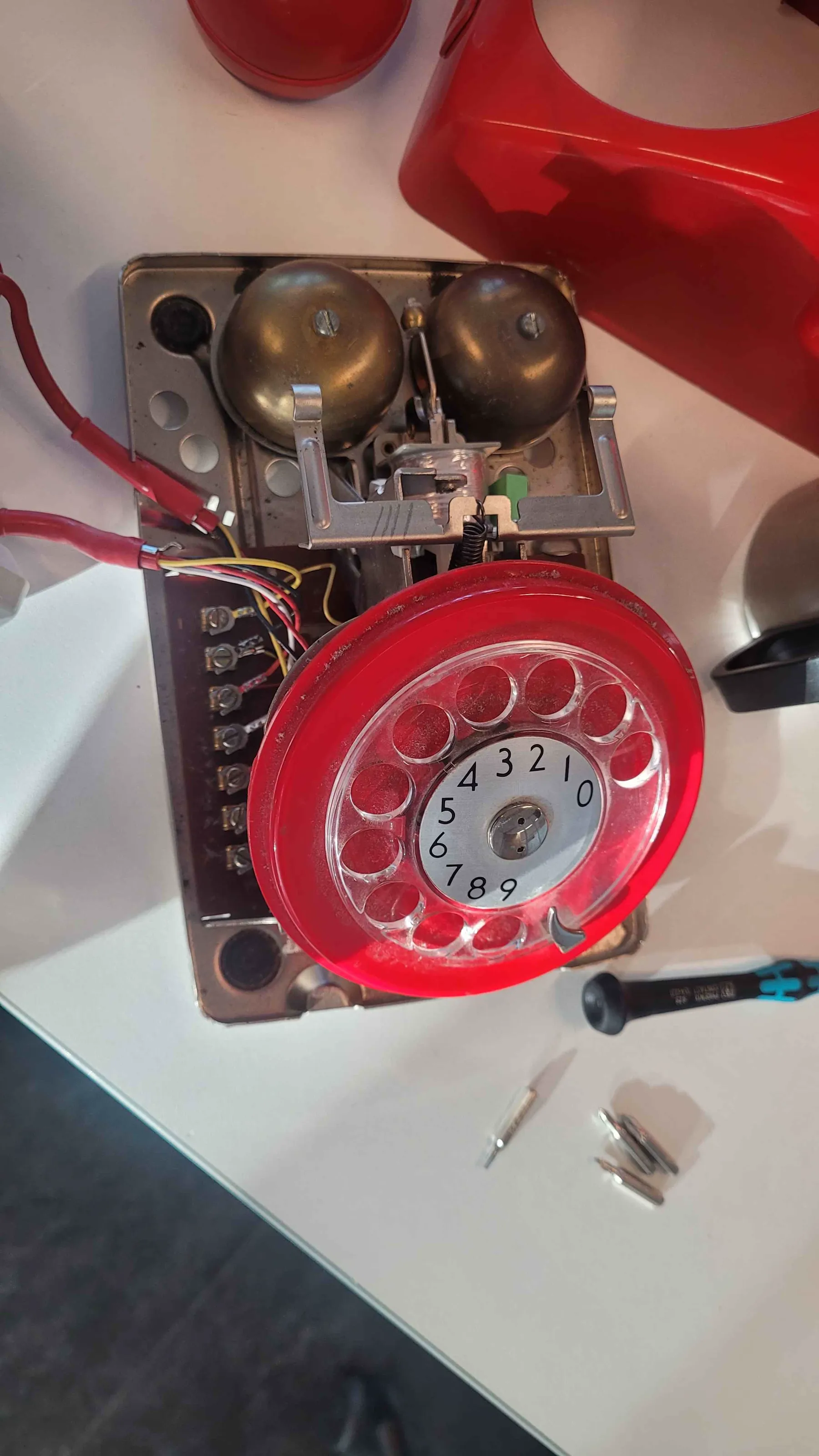
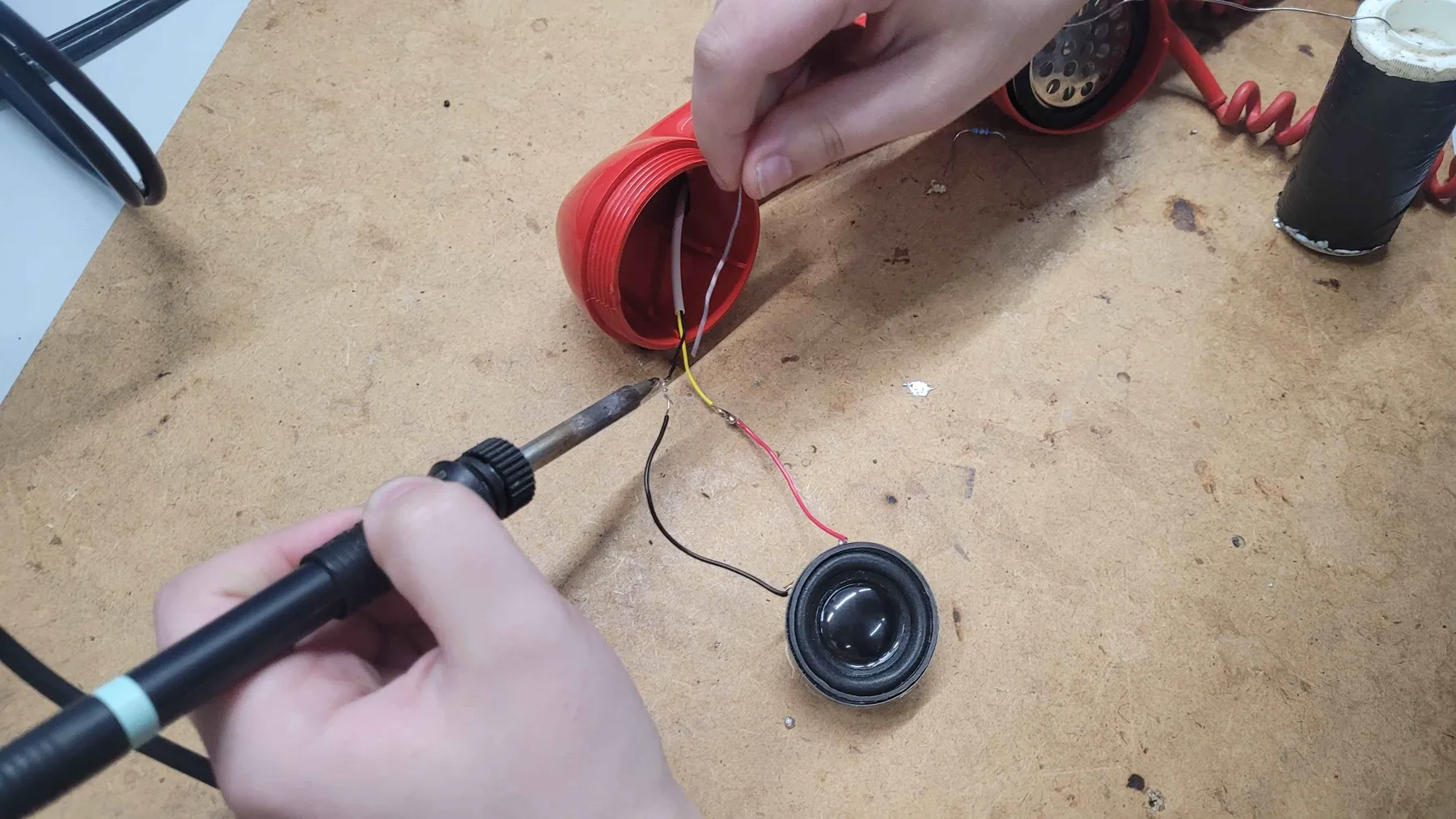
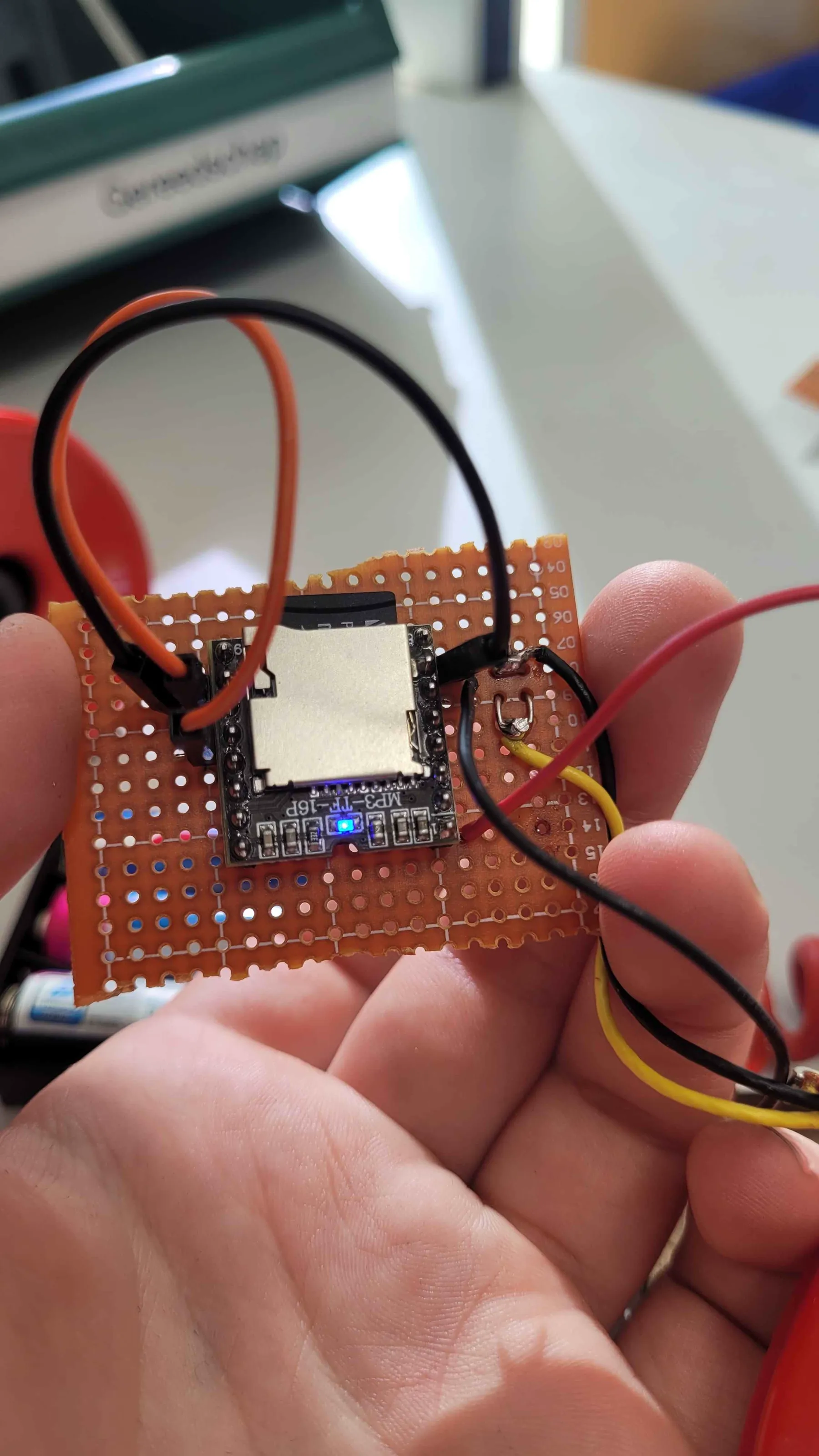
I rebuilt an old telephone so it plays audio clips like the real 06 lines. Community feedback showed the newspaper held too much for an exhibition, so I added a compact TLDR flyer with a 1986-2002 timeline.
03 The newspaper
The logo puts the lion from Leeuwarden's coat of arms between the words, vectorised in Illustrator so it scales cleanly.
Seven pages plus a TLDR insert follow the Teleholding story: the Skene brothers' rise, the De Walrus submarine fire, PTT's intervention, Menno Buch's TV coverage and the legal changes that followed. The piece argues the 06 lines shaped Dutch telecom law, emergency services and openness about sexuality.
04 Outcome & reflection
At a pop-up on 22 October, more than 20 students from the target group named the telephone and the poster as the pieces that worked best. The interactivity put people inside the story. The newspaper served readers who wanted depth, the flyer everyone else.
Good editorial work finds the format that fits the content. The telephone came from asking what would make people engage with the story.